
The 8-point inspection
The Rebuild Standardbefore any company gets my name.
I built this after losing everything in 2019. Not to sound smart. To make sure the next thing I built had ownership, infrastructure, mission, and support strong enough to inspect before anyone joined.
Why this page exists
Excitement is cheap. Inspection is what protects people.
A product can be good and the company can still be weak. A presentation can sound polished and the ownership can still be wrong. This is the standard I use before I ever talk about building.
20+ years
Field experience behind the checklist
8 checks
The inspection before the opportunity
2019
The lesson that changed the standard
The lesson
The problem was not effort. The problem was what I failed to inspect.
I had worked hard enough.
The field had produced enough.
The ownership was not strong enough.
Infrastructure over momentum
If the back end cannot support the field, the front-end story eventually collapses.
What gets inspected
A serious builder should know what is underneath the business.
Most people ask, "Can I make money?" too early. The better question is whether the company is built well enough to deserve your reputation, relationships, and time.
Who owns the company and what pressure they answer to.
Whether the supply chain is controlled or outsourced.
Whether the founders understand the field they are asking people to build in.
Whether the tools, support, and onboarding are strong enough to duplicate.
The standard
The 8 checks I run before I put my name on a company.
These are not hype points. They are the boring things that become very expensive when you ignore them.
Ownership First
Who owns the company and what are they building toward? An owner building toward an exit treats the field differently than one building toward a legacy. Ask directly. The answer tells you everything. I no longer join anything without looking the owners in the eye first.
Debt Status and Investor Structure
Is the company debt-free? Are there outside investors? A leveraged company makes decisions based on what lenders require, not what is right for the field. Outside investors have exit timelines that do not align with your building timeline. Clean balance sheets protect the people building in the field.
Vertical Control of the Supply Chain
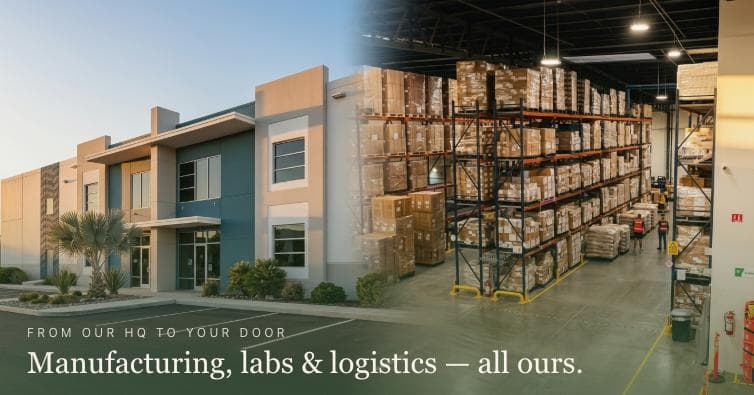
Does the company own its manufacturing, labs, warehousing, and fulfillment? Or is it dependent on vendors who can disrupt everything? Contract manufacturers create fragility. When something goes wrong in the supply chain, the field feels it first. Own the infrastructure or depend on someone else's.
Founders Who Came From the Field
Founders who have built in the field design compensation differently. They understand what it costs to recruit someone. They build training and support because they know what its absence does to a team. Look for operators, not investors. Look for people who have lived what you are being asked to do.
A Real Mission, Not Just a Story
There is a difference between a well-crafted mission statement and an actual reason why this company exists. The real ones are personal. Dr. Tony Rodriguez built Vital Health after losing his parents. That is a reason. A mission built on real stakes changes how every decision in the company gets made.
Comp Plan Stability and Integrity
Has the compensation plan stayed consistent or does it change every year? Comp plan changes that benefit the company at the expense of the field are a sign of what the company prioritizes under pressure. Look at what they changed, when, and why. The pattern tells you what happens when margins get tight.
Infrastructure for the Builder
Does joining give you real tools? CRM, marketing funnels, onboarding systems, training, communication? Or does it give you a replicated website and a prayer? The tools available to your team determine how fast new people can get started. Slow starts create dropout. Fast starts create belief.
A Track Record That Matches the Pitch
What have the founders built before? Not what do they say they have built. What is actually verifiable? Have they protected their field when things got hard? Have they maintained their compensation commitments? Have they shown up when the company was not performing? Character shows up in adversity, not on stages.
The honest part
This checklist does not remove risk. It removes lazy decisions.
No standard can guarantee success. What it can do is raise the floor. A company that passes all 8 checks is not guaranteed to win. But a company that fails several of them is telling you something before you ever enroll.
Vital Health is the first company in 20 years that has cleared every one of these without hesitation. That is not marketing. That is why I flew to Hermosillo and looked them in the eye before I said yes.
Next step
Want to see exactly what passed this standard?
Start with the public business page, then unlock the deeper Vital Health breakdown after the opt-in. The standard stays public. The full company breakdown stays gated.
Results vary. No income or earnings guarantees are made or implied. This page is a decision framework, not a promise of outcome.